Brumby shooting report released, and rejected

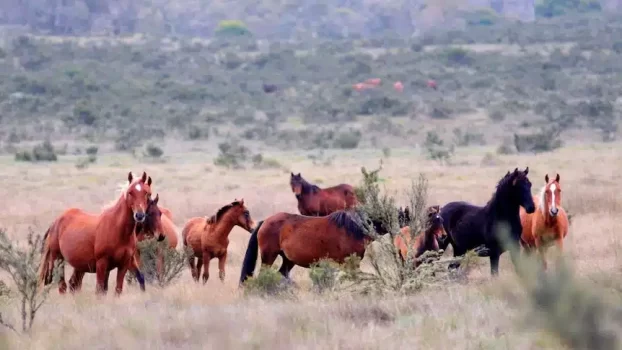
AN upper house committee released its final report on Wednesday into aerial shooting of brumbies in Kosciuszko National Park, but the report has been rejected by the chair of the committee. Chair of the committee, the Hon Emma Hurst MLC, said: “From the outset of this inquiry, it was clear that aerial shooting of brumbies in Kosciuszko National Park is a highly controversial topic. It was always going to be an extremely difficult inquiry.” “Unfortunately as the Chair for this inquiry, I cannot support the final report as published. Unanimous agreement on the findings and recommendations could not be met… Continue reading

NSW government accepts findings of review into brumby rehoming program in Kosciuszko National Park

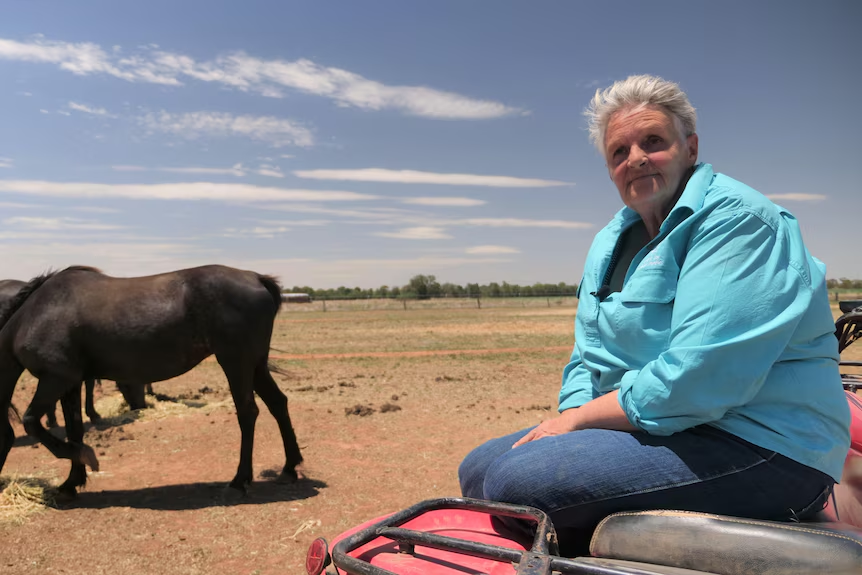
from ABC Riverina and ABC website posted 26 June and updated 28 June 2024 In short: A report on the review of the wild horses rehoming program in Kosciuszko National Park has been made public. It has made four key recommendations to strengthen the program, which the NSW Environment Department has accepted in principle. Lynette Sutton is a brumby rehomer based at Berrigan, and said the review is an “acknowledgement of [NPWS] failing their own processes”. “Hopefully, it will see the road forward with rehoming where incidents like Wagga don’t happen again.” photos from ABC website – above: Lynette Sutton… Continue reading

Rethinking the mantra of biodiversity: Why the past should not determine the future

from the ABC Website The New South Wales state government has recently commenced the aerial killings of 14,000 feral horses residing in Kosciuszko National Park. The goal is to meet the legislated requirement of reducing the number of horses in the park to 3,000 by 2027. This legislation was passed because NSW has the legal mandate of protecting biodiversity and because the activities of feral horses are classified as a threat to native species, such as Corroboree frogs and broad-tooth rats. This policy illustrates the normative assumptions of conservation policy-makers, which are well-captured in Michael Soulé’s famous article, “What Is… Continue reading